Spaces that cost money without generating value have a solution.
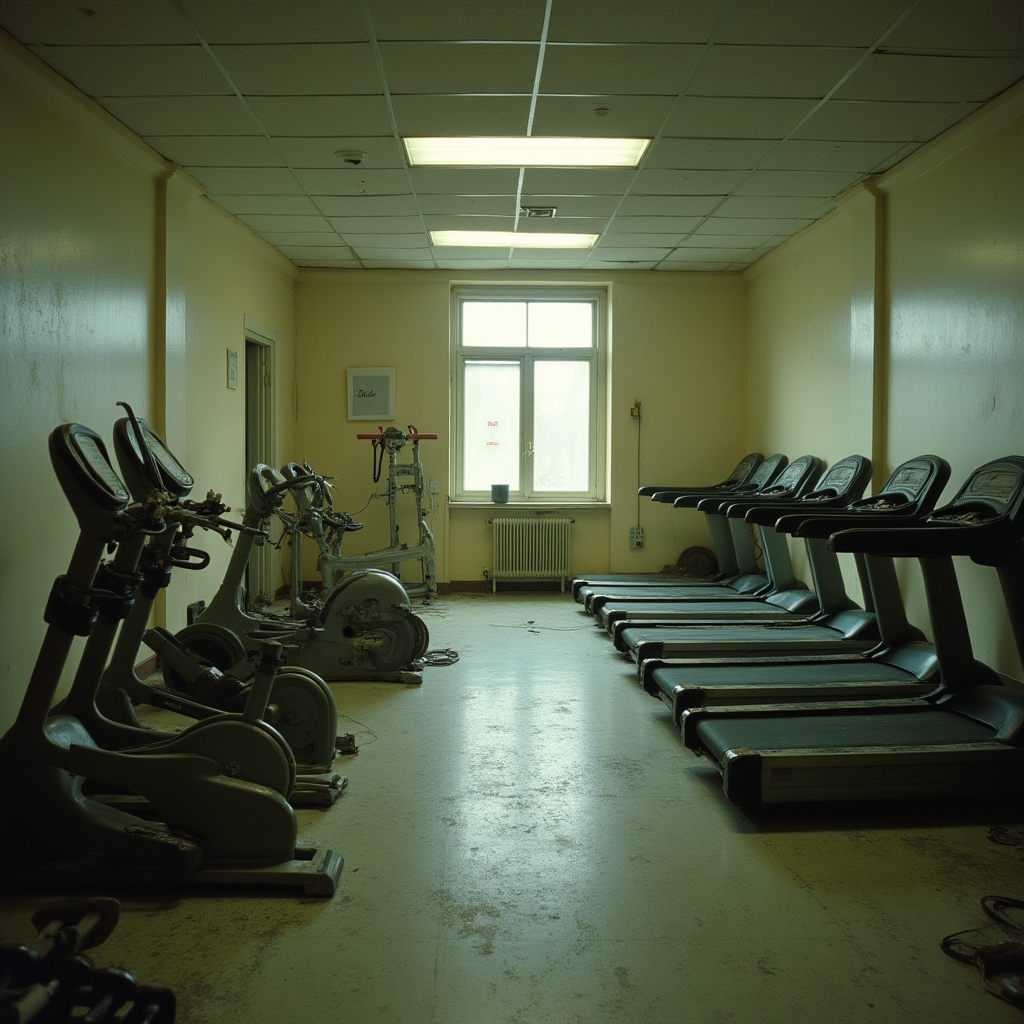
The party room nobody reserves. The gym with broken equipment. The grill used twice a year. We evaluate real usage data and propose practical reconversions that reduce expenses and serve residents.
// assessment process
Amenities that drain common expenses every month
Residential buildings in Argentina invest significantly in amenity spaces that, over time, fall into disuse. The cost of maintaining these spaces — electricity, cleaning, repairs, insurance — continues to appear in monthly expenses regardless of whether anyone uses them.
// common underused spaces
A structured approach to evidence-based reconversion
Every recommendation we make is grounded in actual usage data from your building — not assumptions about what residents might want.
Usage Diagnosis
We gather reservation records, interview co-owners, and conduct structured surveys to map actual usage patterns for each amenity space. This baseline data is the foundation of every recommendation.
Reconversion Proposal
Based on the diagnosis, we develop tailored alternatives — community coworking spaces, self-service laundry, bicycle storage, package rooms — with detailed budgets and projected impact on monthly expenses.
Implementation Support
We accompany the consortium through the decision-making process, coordinate with contractors, and provide ongoing monitoring so that the reconverted space delivers the expected value over time.
The difference a data-driven reconversion makes
Spaces that generate costs without use
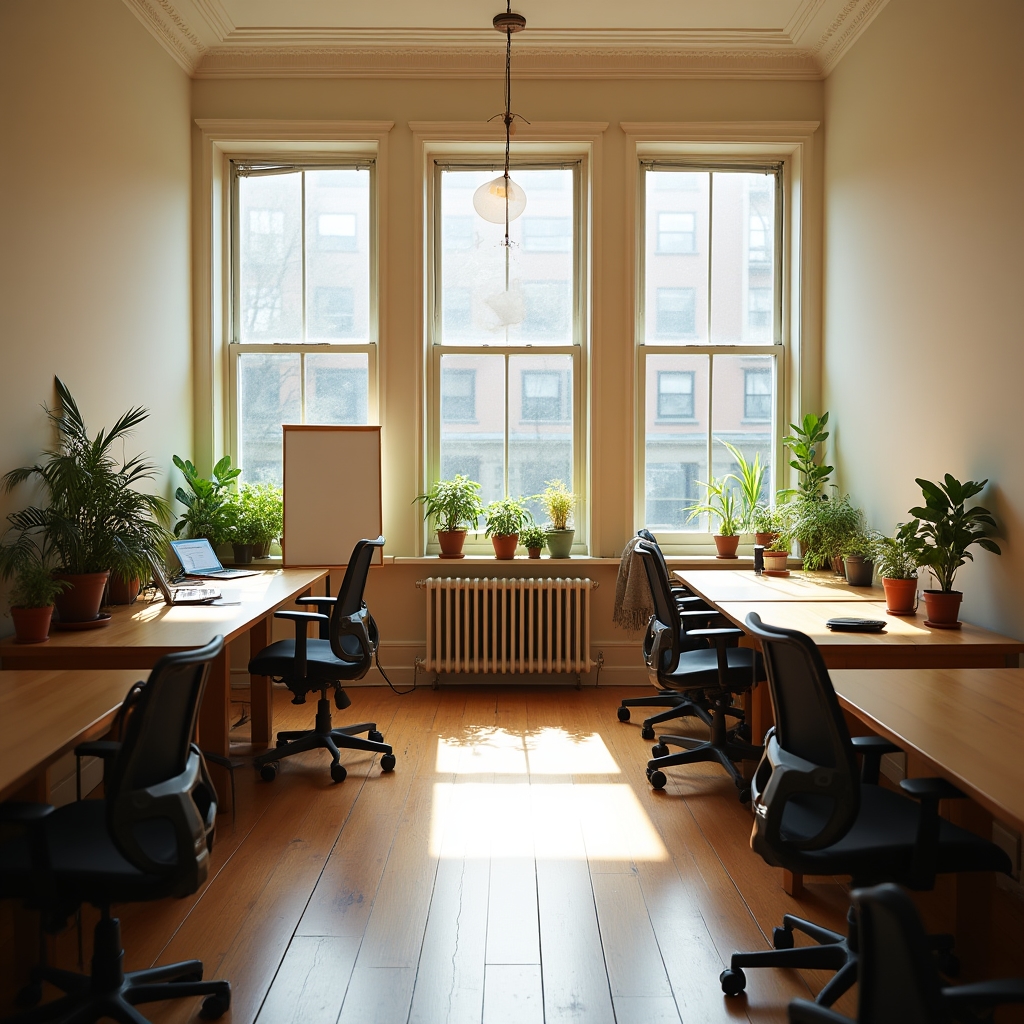
Spaces residents actually use and value
What underused spaces can become
Each proposal is tailored to the specific building and its residents. These are examples of alternatives we commonly evaluate.
Community Coworking
Transform an underused SUM or event room into a functional coworking space with desks, reliable internet, and quiet zones — serving residents who work remotely.
Self-Service Laundry
A self-service laundry room with coin-operated or card-based machines generates value for residents without units that include washers, while reducing individual expenses.
Bicycle Storage
Dedicated, secure bicycle storage with repair stations responds to the growing number of residents who cycle — freeing up apartments and hallways.
Package & Storage Room
A controlled package reception and storage area reduces delivery problems and provides residents with a secure space for seasonal or overflow belongings.
Urban Garden
Terrace or patio spaces can become shared urban gardens — low-cost to implement, high in community value, and often transformative for building culture.
Community Library
A curated book exchange corner or small reading room requires minimal investment and creates a quiet, valued shared space for residents of all ages.
Decisions grounded in evidence, not guesswork
We combine resident surveys with objective usage data — reservation logs, access records, maintenance histories — to build an honest picture of how each space is actually used.
From empty room to daily destination
A well-executed reconversion changes how residents relate to their building. Spaces that were once invisible line items in the expense report become places people look forward to using.
Our approach is always participatory. Co-owners are involved from the diagnosis phase through the final proposal. This ensures that any reconversion has genuine buy-in from the people who will use it — and pay for it.
// reconversion outcomes
Ready to understand what your building's spaces could become?
An initial assessment starts with a conversation. We review your building's current amenities, gather basic usage information, and outline what a full diagnosis would involve.