Case Studies
Illustrative examples of the types of amenity reconversion scenarios we work with — the spaces we evaluate, the data we gather, and the kinds of proposals we develop.
About these examples: The following scenarios are illustrative of the types of work we do and the challenges we help consortiums navigate. They represent common patterns observed across residential buildings in Argentina.
Common reconversion scenarios
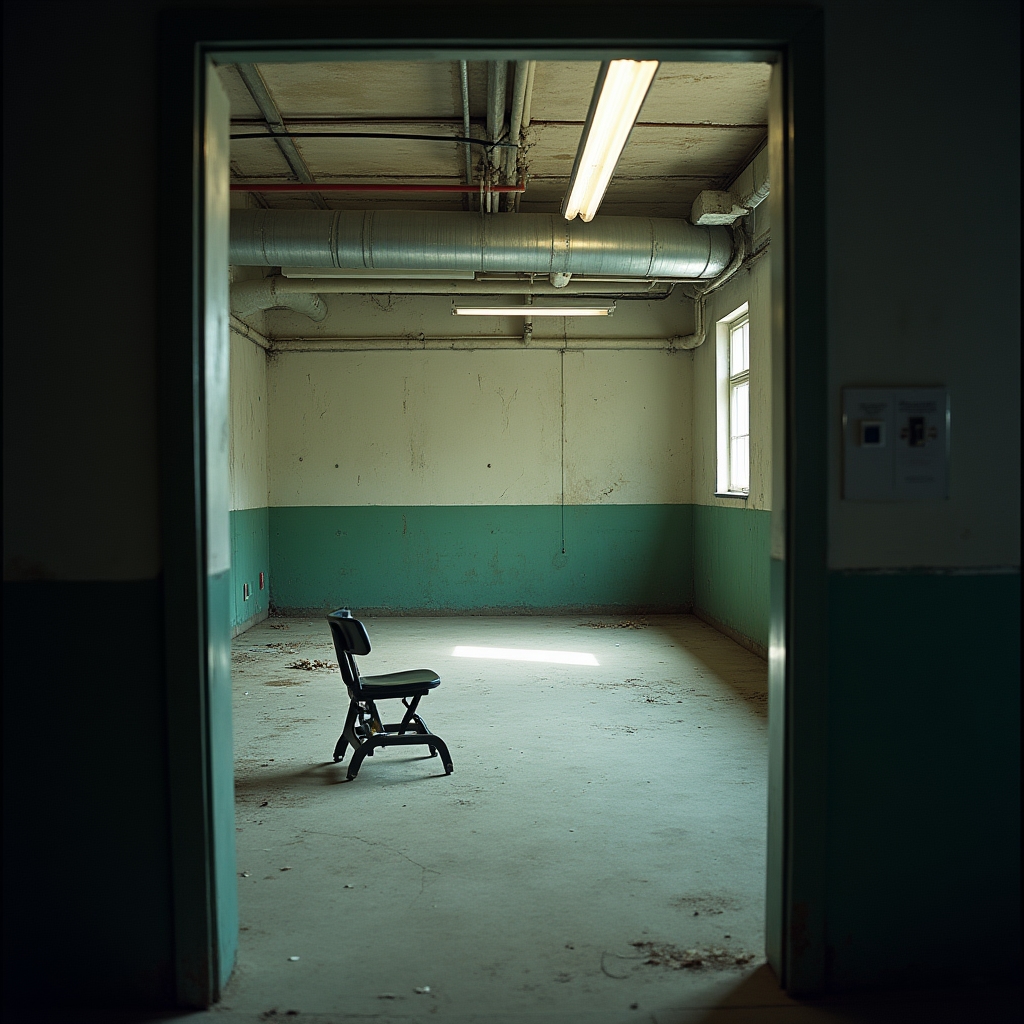
Unused Gym Reconversion
A residential building with a gym that had seen no regular users for over a year. Equipment required significant repair investment. Survey revealed strong demand for a quiet remote-work space among residents. Proposal included coworking layout with individual desks, a shared meeting area, and acoustic treatment.
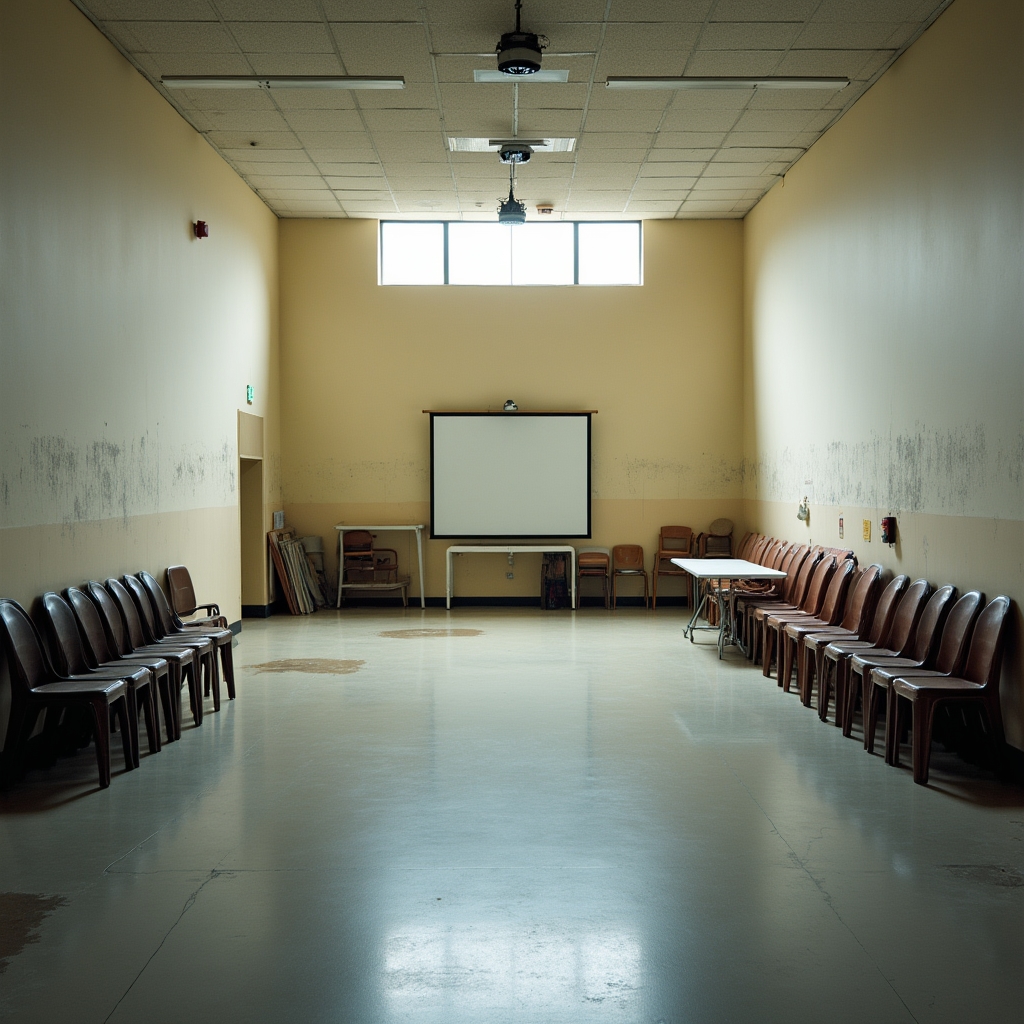
Event Room Partial Reconversion
A large SUM with minimal reservations — primarily used for annual consortium meetings. A partial reconversion proposal divided the space: a smaller, functional event area retained for meetings, and a new self-service laundry section serving residents without in-unit washers.
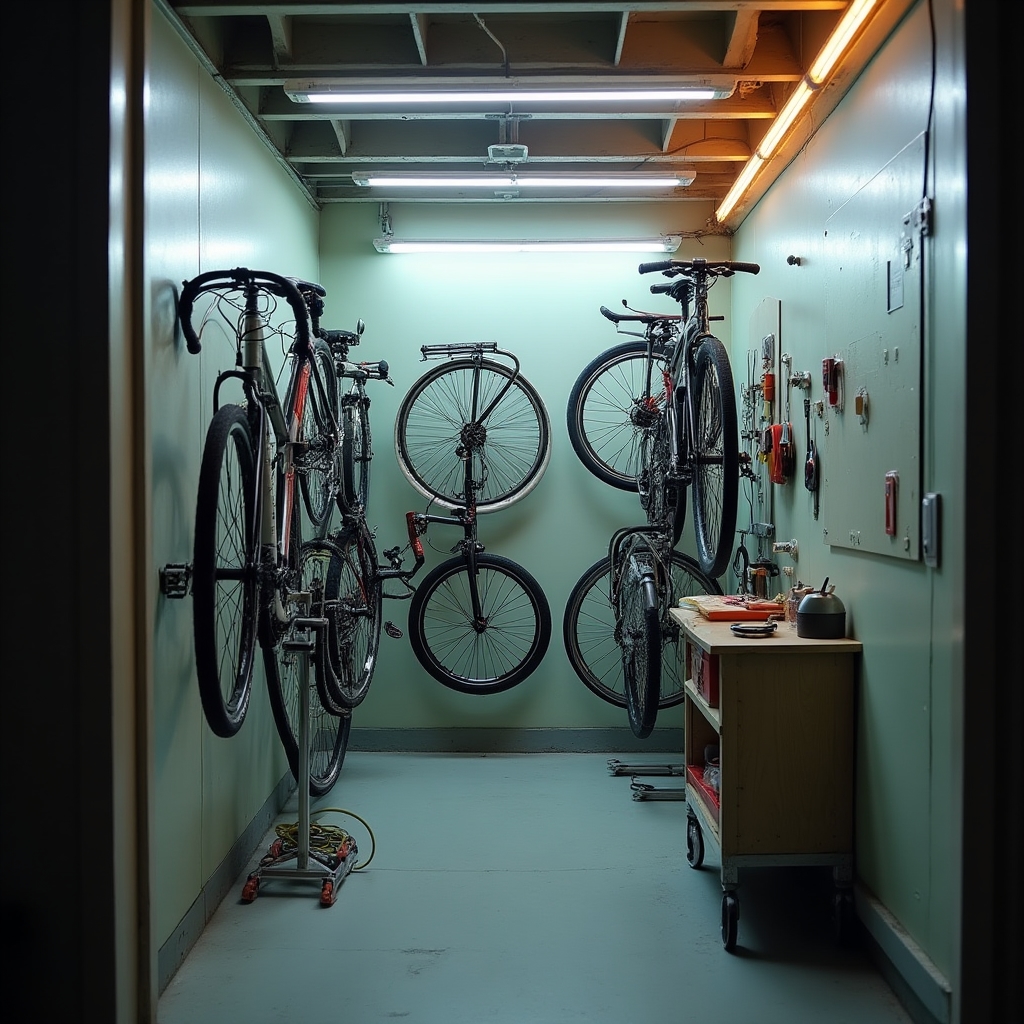
Storage Room to Bicycle Hub
An underused storage room adjacent to the parking level was evaluated for reconversion. Survey data showed a significant portion of residents owned bicycles stored in their apartments. The proposal included wall-mounted racks, a basic repair station, and a secure access system.

Rooftop Terrace Activation
A rooftop terrace used only during summer months and generating significant waterproofing maintenance costs. The proposal included raised garden beds, a composting area, and a seating zone — transforming a liability into a year-round community amenity.

Package & Delivery Management
A building experiencing ongoing problems with package deliveries left in hallways and lobby areas. A portion of an underused lobby storage area was reconverted into a dedicated package reception room with organized shelving and a simple access log system.
Full Building Amenity Audit
Some buildings benefit from a comprehensive assessment of all amenity spaces simultaneously. This approach allows for a coordinated reconversion plan that considers how different spaces relate to each other — and how changes to one affect the others in terms of usage and expense allocation.
Common threads across different buildings
The Maintenance Cycle
Underuse leads to deferred maintenance, which leads to further disuse. Breaking this cycle requires both a clear diagnosis and a concrete alternative — not just a repair plan.
The Perception Gap
What administrators or active residents believe others want often differs significantly from what a structured survey reveals. This gap is where many well-intentioned renovations go wrong.
Partial Reconversion Value
Not every reconversion requires transforming an entire space. Often, a partial reconversion that preserves some original function while adding a new one delivers the best balance of cost and value.
Every building has its own story
The scenarios above illustrate common patterns, but every building's situation is unique. Contact us to discuss what a diagnosis for your specific building would involve.
Start a Conversation